
 EN
EN



The Quest for Filtration Efficiency in Industrial Dust Collection
Managing industrial dust collection systems requires a delicate balance between maintaining operational performance and controlling long-term costs. For facilities operating within standard ambient temperature ranges, the selection of filtration media serves as a pivotal factor influencing overall air quality compliance, power consumption, and maintenance scheduling. While a wide variety of synthetic fibers exist, polyester consistently emerges as the most strategic, high-value choice for room temperature filtration needs. Moving past the initial procurement phase and looking toward the lifecycle of the filter media reveals why this specific material dominates the industrial landscape, offering a blend of technical reliability and economic common sense that many exotic fibers simply fail to match.
The Technical Superiority of Polyester in Ambient Conditions
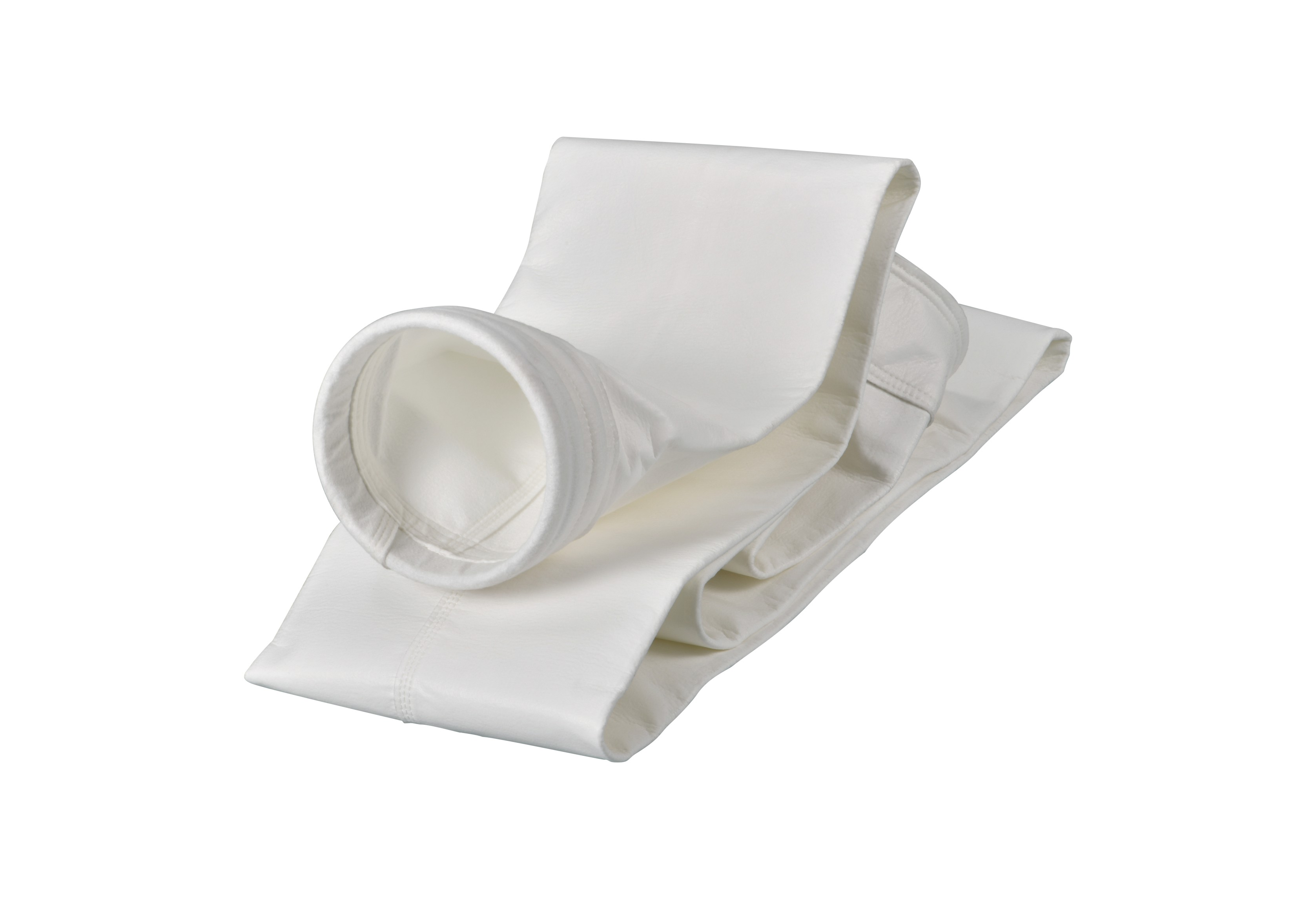
Polyester fibers provide a unique synergy of mechanical resilience and chemical durability, making them exceptionally well-suited for standard manufacturing and processing environments. From an engineering perspective, polyester offers impressive dimensional stability, which prevents the filter media from experiencing excessive stretching or shrinking under typical operational loads. This stability plays a vital role in ensuring that the dust cake forms in a consistent, uniform manner across the surface of the bag, which is essential for maximizing the efficiency of the particulate capture process. Furthermore, polyester demonstrates significant resistance to abrasion. Because mechanical wear is frequently the primary culprit behind premature filter failure in high-dust-loading applications, this inherent durability provides a critical layer of protection for downstream machinery. By pairing high tensile strength with effective, reliable particulate capture, polyester serves as an unwavering barrier that safeguards vital equipment while maintaining optimal airflow throughout the entire system.
Understanding Operational Economics Beyond the Initial Cost
True cost-effectiveness within a filtration system should never be measured solely by the unit price of the filter bag. Instead, it must be viewed through the lens of total ownership costs. Polyester provides distinct advantages in this arena by optimizing the pressure drop characteristics of the dust collector. Because these fibers can be engineered into high-quality needle felt with precise permeability, they allow air to pass through the media with minimal resistance. This reduction in resistance directly translates into lower energy requirements for the entire blower system. In large-scale operations, even a marginal reduction in system pressure drop leads to noticeable savings in electricity usage year over year. When this energy efficiency is paired with an extended service life and the reduced labor demands that come from less frequent filter change-outs, the economic profile of polyester becomes undeniably superior to more specialized, higher-priced materials that often prove unnecessary for routine ambient temperature applications.
Insights on Choosing the Right Filtration Approach
Successful industrial filtration systems often share a common trait: they rely on balanced, sensible engineering rather than over-complication. Many facilities inadvertently drive up their maintenance expenditure by utilizing highly specialized, expensive fiber treatments that offer little to no actual benefit in standard operating conditions. A more effective strategy focuses on utilizing high-density, singed-finish polyester that has been optimized for the specific dust characteristics of the process. This approach minimizes the risk of blinding while ensuring the pulse-jet cleaning system remains effective over a long period. Applying this philosophy—prioritizing materials that meet exact operational requirements without falling into the trap of over-engineering—remains the most reliable path toward achieving both high performance and financial sustainability.
Guanlin’s Approach to Precision Manufacturing and Supply
Securing high-quality filtration media is only part of the solution; the ultimate effectiveness of any filtration strategy rests on the precision of the manufacturing process and the consistency of the supply chain. Guanlin Environmental Protection emphasizes that industrial filtration is as much about precise textile engineering as it is about chemical compatibility. Every filter bag produced by Guanlin adheres to stringent quality benchmarks, from the distribution of the fibers to the integrity of the seams and the precision of the stitching. By integrating advanced production techniques with a stable and responsive supply chain, Guanlin ensures that facilities can maintain consistent filtration performance, minimize the risk of unplanned downtime, and remain in compliance with environmental regulations. Relying on such manufacturing expertise allows operations to focus on productivity, secure in the knowledge that the filtration media is engineered for long-term reliability.
Investing in Sustainable and Reliable Performance
For manufacturing facilities operating at ambient temperatures, polyester is far more than a basic, standard option; it represents a high-performance solution that offers the best possible balance of durability, efficiency, and economy. By prioritizing the selection of appropriate materials and choosing to collaborate with an experienced manufacturing partner like Guanlin, companies can effectively harmonize the dual goals of environmental stewardship and operational profitability. Choosing the right filtration media is an essential investment in the long-term health and efficiency of a plant, proving that the most effective solutions are often those built on proven performance, consistent engineering, and a focus on sustainable, long-term results.
Table of Contents
- The Quest for Filtration Efficiency in Industrial Dust Collection
- The Technical Superiority of Polyester in Ambient Conditions
- Understanding Operational Economics Beyond the Initial Cost
- Insights on Choosing the Right Filtration Approach
- Guanlin’s Approach to Precision Manufacturing and Supply
- Investing in Sustainable and Reliable Performance