
 EN
EN



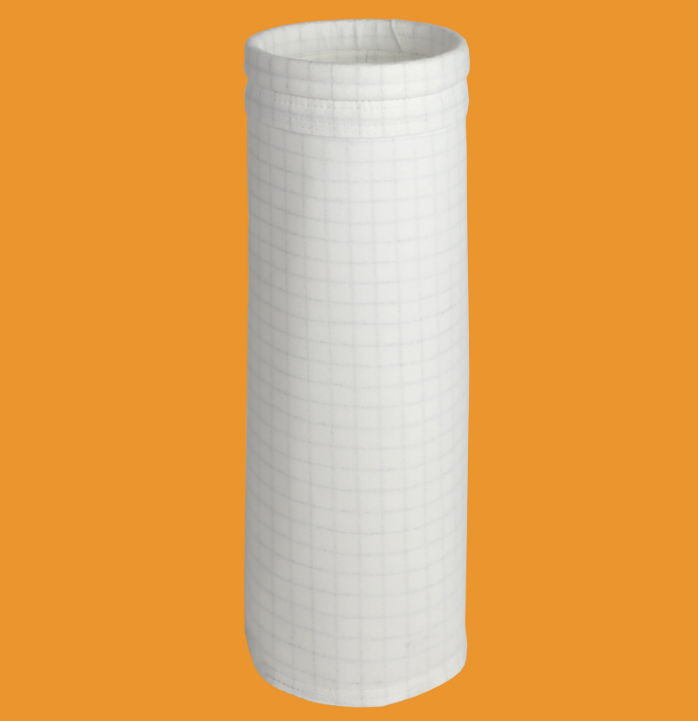
When Moisture Meets Filtration—A Match Made Complicated
Moisture is the quiet killer of industrial filter bags. It doesn't announce itself with a bang. Instead, it creeps in through humid exhaust streams, condenses during temperature swings, or simply accumulates over time in systems that handle wet processes. The result? Premature failure, blinding, hydrolysis, and unplanned downtime that wreaks havoc on production schedules.
Not all filter media handle moisture the same way. Polyester filter fabric has earned a reputation for holding its own in environments where other synthetics start to break down. But leveraging that moisture resistance effectively requires understanding exactly what polyester can handle—and where its limits live.
The Science Behind Polyester's Low Moisture Pickup
Polyester fibers are inherently hydrophobic, meaning they don't readily absorb water. Under standard conditions, the moisture regain rate sits at just 0.4% to 0.5%. Even at 100% relative humidity, that number only climbs to 0.6% to 0.8%. For context, many natural fibers can absorb 10% to 15% of their weight in moisture under similar conditions.
That low absorption rate translates directly to field performance. Filter bags that don't soak up moisture maintain their dimensional stability, resist swelling, and keep their pore structure intact. A bag that stays dry on the inside stays efficient on the outside.
A chemical processing plant in the Gulf Coast region switched from cotton-blend bags to polyester felt for a pigment drying operation. The cotton bags had been failing every three to four weeks due to moisture absorption and subsequent loss of tensile strength. The polyester bags ran for 14 weeks before the first replacement, with no measurable degradation in filtration efficiency. The maintenance team logged the change and never looked back.
Where Polyester Excels—and Where It Doesn't
The sweet spot for polyester filter fabric is dry-heat applications with intermittent or moderate moisture exposure. It handles temperatures up to about 150°C (302°F) in dry conditions and offers excellent resistance to most mineral and organic acids, oxidizing agents, and many solvents.
| Condition | Polyester Performance | Notes |
|---|---|---|
| Dry heat up to 150°C | Excellent | Maintains strength and stability |
| Intermittent moisture | Good | Low absorption, quick drying |
| Continuous high humidity | Marginal | Risk of surface hydrolysis over time |
| Moist heat above 65°C | Poor | Accelerated hydrolytic degradation |
| Strong alkalis at elevated temp | Avoid | Chemical attack breaks down fibers |
Data compiled from industry filter media specifications
The vulnerability shows up when heat and moisture combine. Polyester is susceptible to hydrolysis at elevated temperatures—meaning moisture can actually break down the polymer chains and cause the fibers to revert to their basic constituents. That's not a theoretical concern; it's a real failure mode that shows up in field data.
Real-World Case: Pulp and Paper Mill Condensate Issue
A pulp and paper mill in the Pacific Northwest was burning through filter bags on a lime kiln dust collector. The exhaust gas carried significant moisture from the feedstock, and temperatures fluctuated between 60°C and 80°C. The original polyester bags were lasting about six weeks before the media started losing strength and developing pinhole leaks.
The mill tried a few different approaches. Increasing the bag cleaning frequency helped slightly but accelerated mechanical wear. Switching to a heavier-grade polyester felt bought another two weeks but didn't solve the root problem. Eventually, the team installed a small heat exchanger upstream to drop the exhaust temperature below 55°C before it hit the filter bags. That single change extended bag life to 18 weeks—triple the original performance. The polyester media could handle the moisture just fine once the temperature came down into its comfort zone.
The takeaway? Polyester isn't the problem. The combination of heat and moisture is. Managing one of those two variables often solves the performance issue without switching to a more expensive media like PTFE or PPS.
Surface Treatments That Extend the Moisture Frontier
Base polyester felt does a solid job, but surface treatments can push its moisture resistance even further. Water-repellent and oil-repellent finishes create a hydrophobic barrier on the fiber surface, preventing liquid water from wetting out the media. These treatments don't change the underlying chemistry of the fiber—they just change how water interacts with the surface.
The practical benefit shows up in applications with condensate or mist. A food processing facility handling wet ingredients used treated polyester bags in their pneumatic conveying system. The untreated bags had been blinding off every two to three weeks as fine wet dust accumulated on the surface. The treated bags ran for eight weeks between changes, with the dust releasing cleanly during each pulse-jet cleaning cycle.
It's worth noting that surface treatments aren't a silver bullet. They can wear off over time, especially in abrasive dust streams. And they don't protect against hydrolysis—that's a chemical breakdown issue that happens at the molecular level, not a surface wetting problem. For conditions involving both high heat and high moisture, a different base fiber like aramid or PPS is usually the better call.
Making Polyester Work in Humid Environments
The key to successfully using polyester filter fabric in moisture-prone applications comes down to three practical strategies:
-
Keep temperatures below 65°C when moisture is present. That's the threshold where hydrolysis starts to accelerate meaningfully.
-
Use pulse-jet cleaning with dry compressed air. Moisture in the cleaning air defeats the purpose and can accelerate degradation.
-
Monitor differential pressure closely. A rising delta-P often indicates the first stage of media degradation or surface blinding.
A cement plant in the Southeast followed these guidelines after struggling with bag failures on a raw mill dust collector. The team installed dryers on the compressed air lines, adjusted the baghouse inlet temperature controls to stay below 60°C, and implemented a weekly delta-P logging routine. Bag life increased from an average of eight weeks to 22 weeks without changing the filter media specification.
When to Choose Polyester—and When to Look Elsewhere
Polyester filter fabric is the right choice for the majority of dry dust collection applications and many processes with moderate moisture exposure. It offers a compelling balance of cost, durability, and chemical resistance that's hard to beat.
But honest assessment matters. For continuous wet exhaust streams, high-temperature humid conditions above 65°C, or aggressive chemical environments with strong alkalis, polyester reaches its limits. In those cases, stepping up to a more specialized media—homopolymer acrylic, PPS, or PTFE—saves money in the long run by avoiding frequent changeouts and production interruptions.
The best filter fabric isn't always the most expensive one. It's the one that matches the actual operating conditions. Polyester, used within its performance envelope, delivers reliable service life and consistent filtration efficiency. Pushed outside that envelope, it fails—and the failure is usually sudden rather than graceful.
Manufacturers like GL Filter Bags understand these performance boundaries intimately, producing polyester filter media with consistent quality and offering the technical support to help customers select the right material for their specific conditions.
Table of Contents
- When Moisture Meets Filtration—A Match Made Complicated
- The Science Behind Polyester's Low Moisture Pickup
- Where Polyester Excels—and Where It Doesn't
- Real-World Case: Pulp and Paper Mill Condensate Issue
- Surface Treatments That Extend the Moisture Frontier
- Making Polyester Work in Humid Environments
- When to Choose Polyester—and When to Look Elsewhere