
 EN
EN



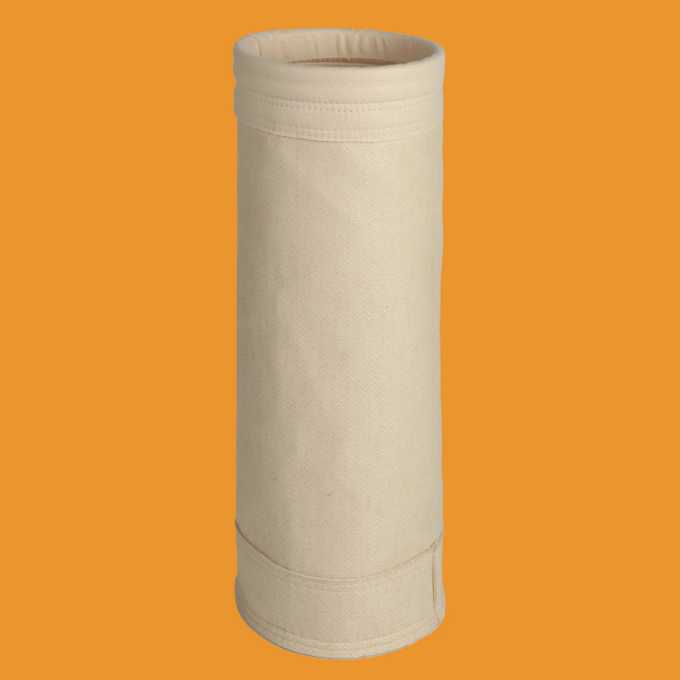
The shift happening in workshops everywhere
Walk through a modern manufacturing facility today and you will notice something different about the dust collection equipment. The rows of long fabric bags hanging from a baghouse are increasingly being replaced by compact units filled with pleated cartridges. This is not just a trend. It reflects real advantages in performance, space usage, and maintenance that make a filter cartridge the preferred choice for many operations. Traditional bag filters have served industry well for decades, and they still have their place in certain heavy duty applications. But for the typical modern workshop, cartridge technology offers compelling benefits that are hard to overlook.
Higher filtration efficiency in a smaller package
The most important difference between a filter cartridge and a traditional filter bag comes down to surface area. A single cartridge uses pleated media to pack a large amount of filter surface into a relatively small cylinder. This means a cartridge collector can achieve much lower air to cloth ratios, which directly translates to better filtration efficiency. While a bag filter typically handles particles down to about 1 micron, a filter cartridge with nanofiber or PTFE coating can efficiently capture particles as small as 0.1 micron. For workshops dealing with fine dust, welding fumes, or materials like silica and hexavalent chromium, this improvement in capture efficiency is not just a nice upgrade, it directly impacts worker health and regulatory compliance.
Space savings that matter
Workshop floor space is expensive. A baghouse typically requires a large footprint and significant vertical clearance for bag replacement. The long bags hang from a tube sheet, and you need room above to pull them out during changeouts. A cartridge collector, by comparison, packs the same or greater filter area into a much smaller housing. Cartridges are shorter, mounted horizontally or at an angle, and can be accessed from the side rather than the top. This compact design allows facilities to install effective dust collection in areas where a traditional baghouse simply would not fit. For smaller shops or operations looking to reclaim floor space, the smaller footprint of cartridge systems is a major selling point.
Faster and safer filter changes
Anyone who has ever changed bags in a baghouse knows it is not a pleasant job. You typically climb into the dirty side of the collector, wrestle with long heavy bags, and deal with significant dust exposure in the process. Cartridge changes are far simpler. Most cartridge collectors are designed with slide out trays or quick release clamps that allow filters to be accessed from outside the collector. The compact size of each filter cartridge means one person can handle the job without special lifting equipment. The whole process takes a fraction of the time required for a bag changeout, which means less system downtime and lower labor costs.
Lower pressure drop and energy consumption
Energy efficiency has become a major consideration in dust collection system design. The pleated design of a filter cartridge creates lower resistance to airflow compared to a fabric bag of equivalent filtration area. This lower pressure drop means the system fan does not have to work as hard to move air through the filters. Over the course of a year, the energy savings from reduced fan power can be substantial. Additionally, many modern cartridge filters use pulse jet cleaning systems that require less compressed air than the cleaning systems on comparable baghouses. Lower pressure drop plus less compressed air usage equals real savings on the utility bill.
Better performance on fine and sticky dust
Traditional filter bags often struggle with certain types of dust. Very fine dust can penetrate deep into the fabric, increasing pressure drop and reducing cleaning effectiveness. Sticky or hygroscopic dust can form crusts on bag surfaces that pulse cleaning cannot remove. Cartridge filters, especially those with specialized surface coatings like PTFE or nanofiber, handle these challenging dust types much better. The surface loading characteristic keeps particles on top of the media where pulse cleaning can easily dislodge them. This results in more stable operating pressure, longer filter life, and less frequent need for manual cleaning or replacement.
Understanding where bags still make sense
The shift toward cartridges does not mean bag filters are obsolete. Bags still offer advantages in specific situations. They can tolerate higher operating temperatures than most cartridge media. They handle high dust loading better because the larger bag surface area can accommodate more dust between cleaning cycles. For extremely abrasive dust, the thicker felt material of a filter bag may outlast the thinner pleated media of a cartridge. In heavy industries like cement, steel, and mining, baghouses remain the standard choice for these reasons. The decision between bag and cartridge should always be based on the specific application, not just on trends. But for the average modern workshop handling moderate temperatures and looking for high efficiency in a compact package, the filter cartridge has clearly earned its growing popularity.