
 EN
EN



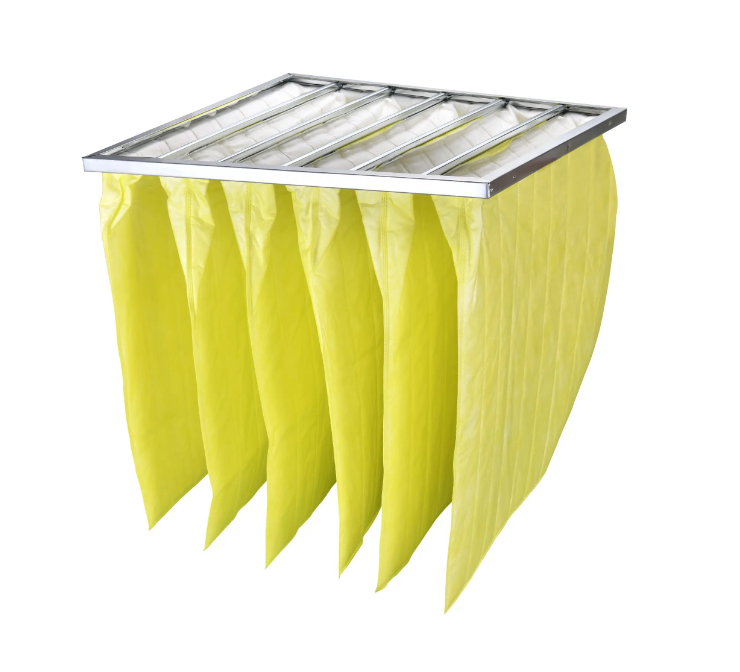
The balancing act every filter designer faces
If you have ever shopped for a dust collection bag, you have probably seen air permeability listed among the technical specifications. It sounds like a good thing. Higher permeability means air flows through the fabric more easily, which should mean lower pressure drop and less energy consumption. But there is a catch. The relationship between how easily air passes through a filter and how well that filter captures dust is not a simple one. Understanding this balance helps you choose the right bag for your application and avoid costly mistakes.
What air permeability actually measures
Air permeability is the volume of air that passes through a unit area of filter fabric under a given pressure difference over a set period of time. It is usually measured at a specific pressure, often 127 pascals or about half an inch of water column. The number tells you how open or closed the fabric structure is. A high permeability value means the fabric has larger pores or a more open weave, allowing air to pass through with minimal resistance. A low permeability value means a tighter, denser fabric that resists airflow. This measurement is important because it directly affects how much energy your system fan must use to pull air through the filters. But it is only part of the story.
The role of the dust cake
Here is something that surprises many people. A brand new dust collection bag is actually not at its most efficient when it is fresh out of the box. During the initial stage of filtration, before a dust cake has formed on the fabric surface, some fine particles can pass right through. Research has shown that the minimum collection efficiency for certain particle sizes can be as low as 80 percent at this initial stage. Once a thin layer of dust builds up on the surface of the bag, filtration efficiency quickly rises to over 99.99 percent. The dust cake itself becomes part of the filter media. This means the air permeability of the clean fabric is not the only factor determining efficiency. How well the fabric releases and reforms its dust cake during cleaning cycles matters just as much.
Why too much permeability can hurt efficiency
If a dust collection bag has extremely high air permeability, it generally means the pores in the fabric are relatively large. While this allows for easy airflow, it also creates pathways for fine particles to slip through before a proper dust cake forms. In applications that run intermittently, where the system starts and stops frequently, the dust cake may never fully stabilize. Every startup means a period of lower efficiency until the cake rebuilds. Choosing a bag with more moderate permeability that still forms a stable dust cake quickly can actually deliver better overall emissions performance than one with the highest possible airflow rating.
Finding the sweet spot for your application
The right balance between air permeability and filtration efficiency depends on what you are collecting. For coarse dust with large particle sizes, a bag with higher permeability often works well because the particles are too big to pass through the pores even without a dust cake. For fine or hazardous dust, you generally want lower permeability or a surface treatment like PTFE membrane lamination that provides high efficiency without relying solely on the dust cake. The felt construction of the bag also matters. Needlefelt materials tend to have higher dust holding capacity than woven fabrics, which affects how the permeability changes over time as dust loads into the material. Some modern pleated bags achieve the best of both worlds by using increased surface area to improve airflow while maintaining fine dust filtration.
How fabric structure and surface treatments change the equation
Not all dust collection bags are made the same way. Woven fabrics have a regular, open structure with predictable permeability but limited surface area for filtration. Needlefelt fabrics use randomly oriented fibers to create a thicker, more three dimensional structure with higher dust holding capacity. Surface treatments like singeing, calendaring, or PTFE membrane lamination dramatically change how the bag interacts with dust. A PTFE membrane provides a microporous surface that captures very fine particles on the surface while the base fabric provides mechanical strength and support. In these designs, the air permeability of the composite structure is determined primarily by the membrane, which can be engineered for specific particle capture sizes while maintaining good airflow.
Practical tips for selecting based on permeability
When comparing dust collection bag options, do not just look at the air permeability number in isolation. Consider the complete picture. What type of dust are you collecting and what is its particle size distribution? Does your system run continuously or cycle on and off? What are your emissions requirements? A bag with a permeability of around 8 to 15 cubic meters per square meter per minute is typical for many general industrial applications. For fine dust collection where emissions are tightly regulated, bags with PTFE membranes or other high efficiency surface treatments often provide the best combination of airflow and capture efficiency. Always discuss your specific operating conditions with the filter supplier to ensure the recommended bag matches both your airflow needs and your filtration efficiency requirements. Getting this balance right keeps your system running efficiently while protecting both your workers and the environment.
Table of Contents
- The balancing act every filter designer faces
- What air permeability actually measures
- The role of the dust cake
- Why too much permeability can hurt efficiency
- Finding the sweet spot for your application
- How fabric structure and surface treatments change the equation
- Practical tips for selecting based on permeability