
 EN
EN



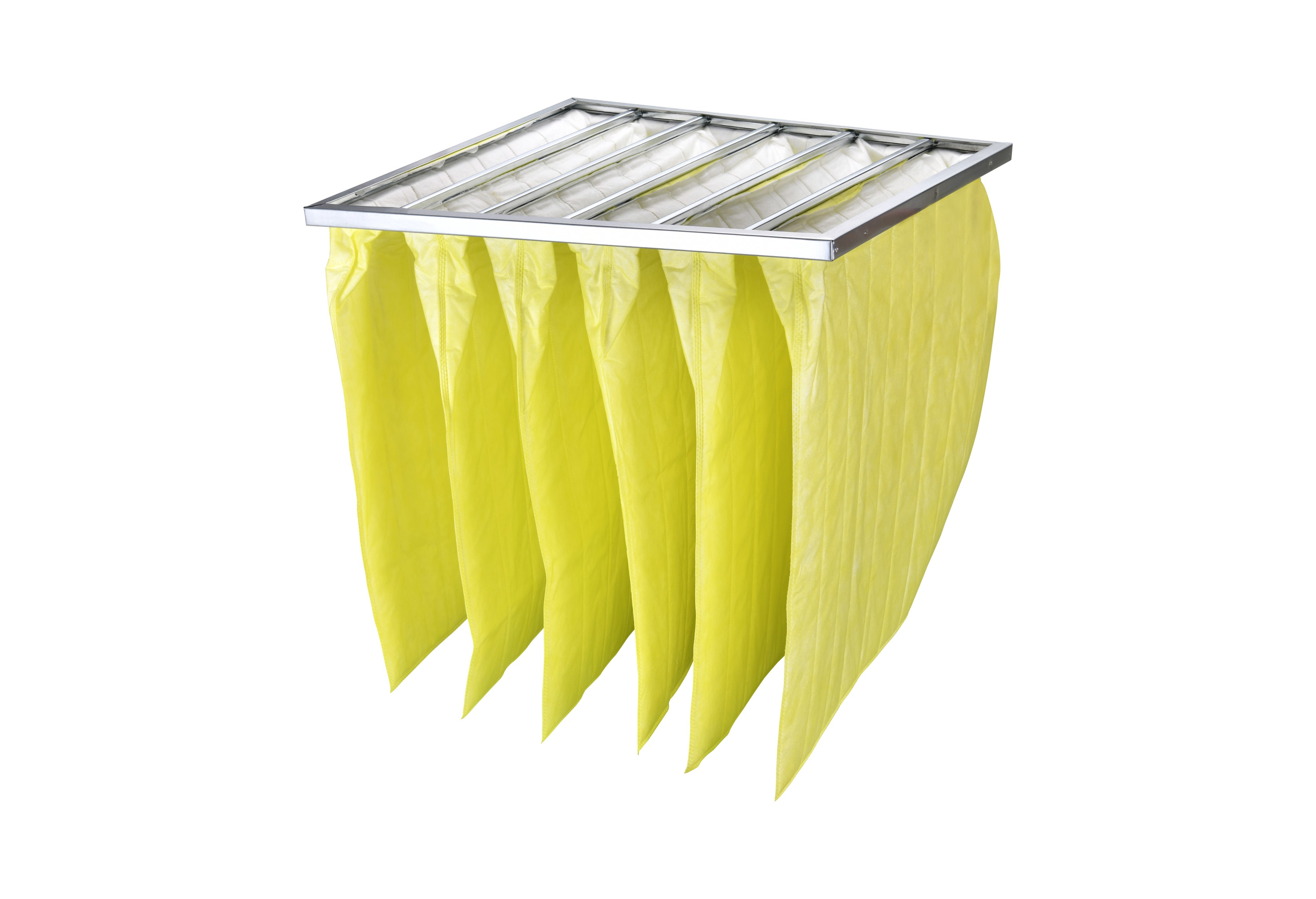
The Challenge of Oily Industrial Dust
Managing industrial dust is rarely a straightforward task, especially when that dust is combined with oil or moisture. In sectors ranging from metal processing and automotive manufacturing to chemical production, oily particulates pose a significant threat to standard filtration systems. Conventional polyester filter bags, while excellent for dry dust, quickly succumb to the blinding effect when exposed to oils. This saturation causes dust particles to adhere stubbornly to the filter surface, leading to rapid pressure drops, inefficient airflow, and in some cases, catastrophic system failure. Understanding the mechanical behavior of these challenging particulates is essential for facility managers aiming to maintain peak production efficiency. When fine dust mixes with oil, it creates a sticky barrier that defies standard cleaning, requiring a more sophisticated approach to material science and surface treatment.
The Engineering of Three-in-One Protection
To combat these issues, advanced filtration technology employs a multi-functional approach. Polyester water-resistant, oil-resistant, and anti-static filter bags are engineered to tackle three distinct threats simultaneously. The specialized treatment modifies the surface tension of the fabric, preventing liquid droplets from penetrating the fiber structure and anchoring the dust deep within the weave. Meanwhile, the integration of conductive fibers—such as carbon or stainless steel—directly addresses the hazard of electrostatic discharge. By combining these three critical features into a single high-performance medium, these bags ensure that even the stickiest industrial aerosols and fine dusts can be captured effectively without permanently clogging the filtration matrix. This synergy of treatments transforms a standard fabric into a robust defensive layer that maintains airflow even under extreme environmental conditions.
Preventing Static Hazards and Filter Blinding
The danger of oily dust extends far beyond operational efficiency; it is a critical safety issue. Oily particles often carry a charge, and when fine dust gathers in an enclosed system, the risk of static-induced combustion rises exponentially. Standard filtration fabrics can become capacitors, building up electrical potential that discharges through a dangerous spark. Anti-static polyester bags provide a reliable, continuous path for this charge to dissipate, significantly mitigating the risk of dust explosions in high-risk zones. Simultaneously, the oil-resistant coating ensures that the pulse-jet cleaning system works as intended. When the bag is kept clean, the air pulse efficiently dislodges the dust cake. Without this specialized coating, the oil acts as an industrial-strength adhesive, necessitating frequent, costly downtime for manual cleaning or total filter replacement. Keeping the filtration media clean is the single most effective way to protect the system's longevity.
Optimizing Filtration Life and Operational Efficiency
From an operational perspective, the value of multi-functional filter bags is measured by the reduction in differential pressure. A filter that stays cleaner for longer maintains a lower pressure gradient, which drastically reduces the energy demand on the dust collector’s fan system. Furthermore, by extending the service life of each bag, industrial operators can minimize the frequency of replacement cycles. Field experience has shown that switching to these specialized polyester bags often results in a significant improvement in the recovery rate of valuable fine powders and a noticeable decline in total cost of ownership. Durability is not just about the tensile strength of the fabric; it is about the sustained performance of the filter surface under aggressive, oily environmental stress. A system that operates smoothly without constant intervention is a hallmark of a well-maintained industrial facility.
Strategic Value of Quality Sourcing
For industrial filtration, the technical integrity of the manufacturer is the primary determinant of system reliability. Inconsistent chemical coatings or inferior conductive fiber weaving can lead to premature failure, putting both equipment and workers at risk. Guanlin has dedicated years of research and production expertise to the development of specialized filtration fabrics that meet the most rigorous international standards. By integrating advanced chemical treatment technologies with precision weaving, Guanlin provides industrial partners with filter bags that demonstrate exceptional performance under oily and high-static conditions. A robust supply chain, characterized by standardized quality control and technical consistency, is the cornerstone of sustainable industrial production, ensuring that every project is backed by reliable materials and superior manufacturing standards. When operational success is on the line, the quality of the filtration media determines whether the facility runs at capacity or faces unexpected shutdowns.
Sustainable Solutions for Demanding Industries
Investing in high-performance filtration is an investment in the long-term viability of an industrial facility. By choosing polyester filter bags that are specifically treated for oil, water, and static resistance, operators can create a cleaner, safer, and more productive working environment. Regardless of the scale of the facility, the choice of filtration technology remains a critical factor in environmental compliance and operational cost management. Guanlin is committed to providing expert supply solutions and the necessary technical support to ensure that every filtration system operates at its peak potential. Reliable, high-grade materials and a disciplined approach to maintenance are the keys to long-lasting industrial success. Protecting assets and ensuring safety through superior engineering remains the priority for any modern production facility looking toward a sustainable future.