
 EN
EN



Understanding the Vulnerability of PPS Filter Media to Oxygen Attack
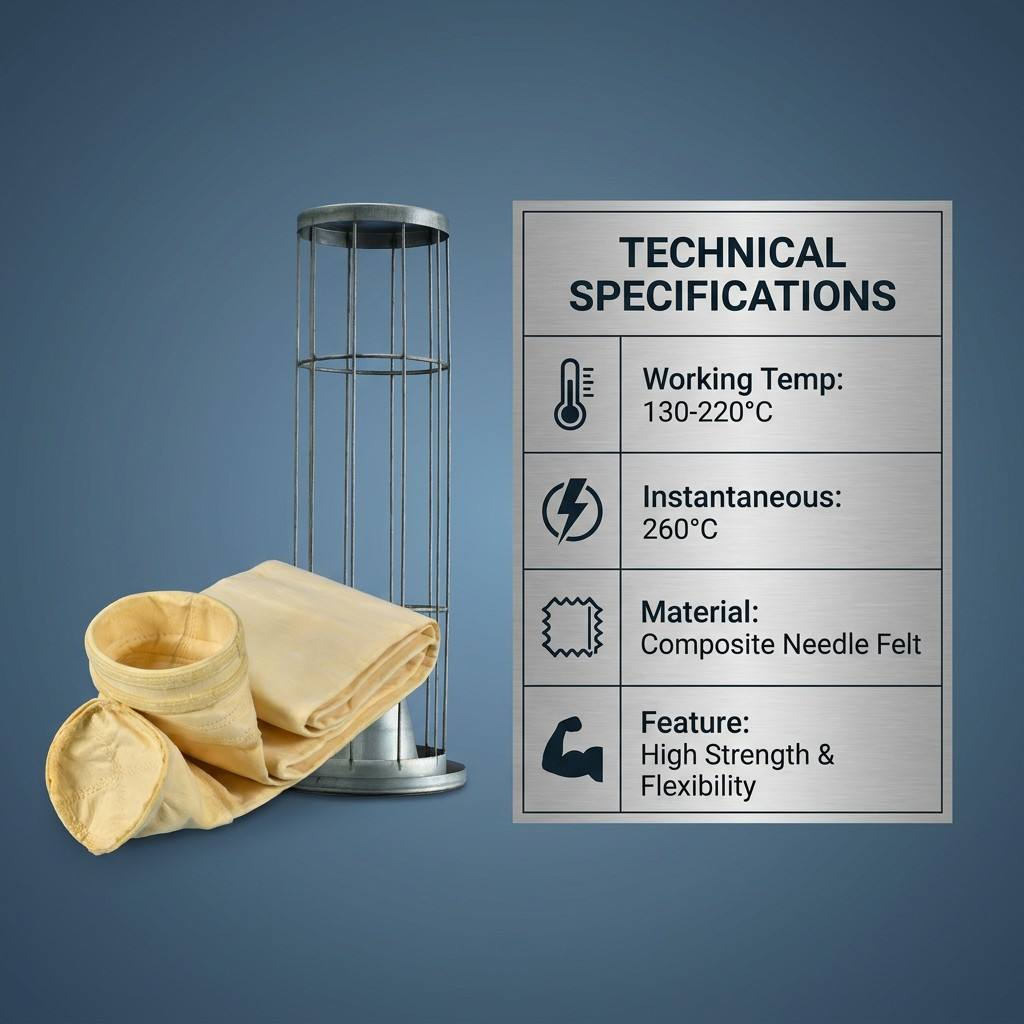
In industrial baghouse operations across coal-fired power plants, waste incinerators, and chemical boilers, selecting the correct high-temperature filtration media is vital for maintaining environmental compliance and operational efficiency. Polyphenylene sulfide, commonly abbreviated as pps, is widely recognized for its exceptional thermal resistance up to 190 degrees Celsius and its outstanding resistance to acid and alkali hydrolysis. However, despite its remarkable chemical stability under reducing or neutral flue gas conditions, pps filter media exhibits a well-documented vulnerability to oxygen-induced thermal oxidative degradation when exposed to elevated oxygen concentrations combined with high operating temperatures. Through our practical industry experience managing baghouse retrofits and troubleshooting premature fabric failure, we have observed that oxygen concentrations exceeding standard operating thresholds can aggressively attack the molecular backbone of pps fibers, causing the pps fabric to become brittle, lose tensile strength, and ultimately rupture prematurely under standard pulse-jet cleaning cycles. Utilizing specialized pps media requires careful environmental monitoring.
The Chemical Mechanics of Oxidative Degradation in Flue Gas Applications
To effectively prevent structural failure, engineers and plant operators must understand the underlying chemical mechanisms governing oxidation in flue gas filtration systems utilizing pps materials. When oxygen molecules penetrate the amorphous regions of pps polymer chains at elevated thermal states, free radical reactions initiate cross-linking and chain scission, transforming flexible pps needle-felt into a rigid, brittle structure. Laboratory studies and materials science experts indicate that oxygen levels exceeding eight to ten percent, when coupled with operational temperatures sustained above 160 degrees Celsius, dramatically accelerate this destructive pps degradation process. Furthermore, the presence of catalytic fly ash components, such as iron oxides or heavy metal particulates trapped within the dust cake, can further catalyze oxidative attack on the pps matrix. Our technical field audits demonstrate that even minor fluctuations in boiler combustion efficiency that introduce surges of unburned oxygen can trigger rapid pps fiber embrittlement if preventative engineering controls are not actively maintained.
Operational Strategies and Engineering Controls for Oxygen Mitigation
Mitigating oxidative degradation requires a comprehensive approach that combines precise combustion control, flue gas conditioning, and proactive baghouse monitoring for pps installations. Plant operators can significantly reduce stress on pps filter installations by stabilizing boiler excess air levels to prevent sudden oxygen spikes during peak load shifts or fuel transitions. Additionally, implementing flue gas desulfurization scrubbing systems or deploying specific neutralizing reagents upstream of the baghouse can neutralize corrosive gases and lower the thermal-oxidative stress experienced by pps textiles. Regular differential pressure monitoring and scheduled laboratory tensile strength testing of extracted pps fabric samples provide early warning indicators before catastrophic bag failure occurs. By establishing robust operating protocols that maintain flue gas temperatures within safe operational windows and restrict oxygen exposure, facility managers can extend the working lifespan of pps filter bags and optimize maintenance expenditure.
Evaluating Alternative Protective Finishes and Surface Treatments for PPS Media
When operating in challenging industrial environments where moderate oxygen levels are unavoidable, standard untreated pps textiles may prove insufficient for long-term reliability. Advanced manufacturing technologies offer specialized surface treatments, fluorocarbon impregnation, and protective membrane laminations designed to shield pps fibers from aggressive chemical and oxidative attack. These protective coatings create a physical barrier that restricts direct oxygen and particulate diffusion into the inner core of the pps needle felt while maintaining excellent dust cake release properties during pulse-jet cleaning. However, filter experts emphasize that surface treatments only delay oxidative kinetics rather than halt them indefinitely; therefore, maintaining strict thermal and chemical boundaries for pps remains paramount. Consulting closely with experienced filter media manufacturers ensures that the chosen pps material specification is custom-engineered to withstand specific flue gas chemistry.
Long-Term Maintenance Best Practices for Baghouse Longevity and PPS Reliability
Achieving maximum durability and reliable particulate capture in high-temperature filtration systems ultimately depends on disciplined, routine maintenance routines and rigorous operational discipline for pps baghouses. Facility operators should perform routine baghouse inspections during scheduled shutdowns, carefully examining pps filter bags for signs of stiffening, discoloration, or localized mechanical wear near the cage vertical wires. Keeping detailed operational logs that correlate flue gas temperature, oxygen analyzer readings, and differential pressure trends enables engineering teams to identify subtle performance anomalies before they escalate into major operational hazards. By combining high-quality pps filtration media with diligent environmental monitoring and disciplined combustion management, industrial plants can successfully navigate high-oxygen flue gas challenges while maintaining strict compliance with national particulate emission standards.
Table of Contents
- Understanding the Vulnerability of PPS Filter Media to Oxygen Attack
- The Chemical Mechanics of Oxidative Degradation in Flue Gas Applications
- Operational Strategies and Engineering Controls for Oxygen Mitigation
- Evaluating Alternative Protective Finishes and Surface Treatments for PPS Media
- Long-Term Maintenance Best Practices for Baghouse Longevity and PPS Reliability