
 EN
EN



Why nano fiber technology changes the game
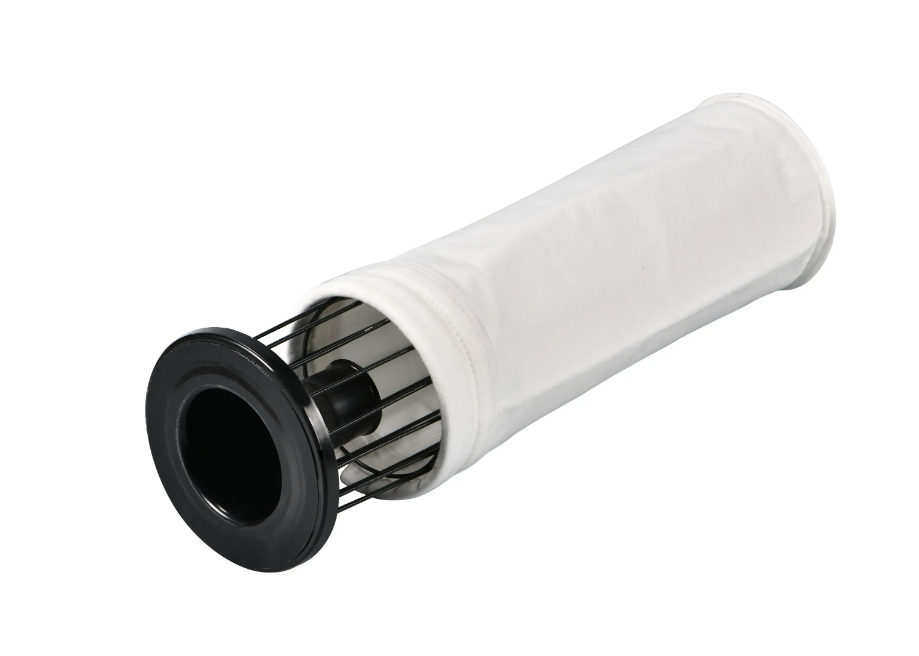
When you think about industrial dust, you might picture large visible particles floating around. But in reality, the smallest particles cause the biggest problems. A standard cartridge filter does a decent job with everyday dust. However, the real challenge comes from submicron particles that standard filters often miss. A nano fiber cartridge filter uses an extremely fine web of fibers, each measuring just 70 to 150 nanometers in diameter. For perspective, that is roughly 1,000 times smaller than a human hair. This dense web catches particles right at the surface of the filter media rather than letting them burrow deep inside. The result is cleaner air, longer filter life, and lower energy consumption because the filter does not clog up as quickly.
Ultrafine and submicron particles
The most obvious type of dust captured well by a nano fiber cartridge filter is ultrafine particulate matter. These are the tiny particles that measure less than 1 micron, the kind of dust you cannot see but can definitely breathe into your lungs. Think about fumes from welding operations, smoke from thermal cutting, or fine dust from grinding and sanding. Standard cellulose filters struggle with particles this small. A nano fiber cartridge filter rated at MERV 15 can collect submicronic particles with remarkable efficiency, reducing emissions significantly compared to traditional options. In many facilities, this level of capture means meeting strict air quality standards without needing an expensive secondary HEPA system.
Welding fumes and smoke
Welding shops face a particularly stubborn problem. The fumes produced during welding contain extremely fine particles, often loaded with metals like manganese or hexavalent chromium. These particles are so small they stay suspended in the air for hours. A nano fiber cartridge filter excels in this environment because the surface loading design captures fumes before they penetrate deep into the filter media. The dust cake that forms on the surface releases easily during pulse cleaning, keeping the filter working longer. Some manufacturers have found that nanofiber technology doubles the service life compared to commodity filters when handling this kind of challenging application.
Agglomerative and sticky dust
Certain types of dust tend to stick together or cling to filter surfaces, which can quickly ruin the airflow through a standard filter. Examples include flour from food processing, fine ceramic powder, cotton fibers, and fiberglass particles. Nano fiber surface loading helps here as well. Because the particles stay on the surface, they are pulsed off more easily during cleaning cycles. The filter does not get gummed up the way a traditional deep loading filter does. This feature also makes a nano fiber cartridge filter a solid choice for laser cutting operations where fine metal dust mixes with oily residues.
Chemical powders and pharmaceutical dust
In industries like chemical processing or pharmaceutical manufacturing, the dust is not just a nuisance but potentially toxic or valuable. Capturing it effectively matters for both safety and economics. The nanofiber layer on a cartridge filter can achieve extremely high fractional efficiency on particles as small as 0.2 to 2 microns. Tests have shown 99.999 percent efficiency on 1 micron dust particles in controlled conditions. This level of capture means these facilities can comply with ultra low emission standards while also recovering valuable product that would otherwise be lost.
Dust from woodworking and composite materials
Wood dust varies widely in size and shape, from coarse chips to very fine sanding dust. The fine fraction is what poses both health risks and explosion hazards. A nano fiber cartridge filter handles this mix effectively. Coarser particles are caught on the surface, and the fine dust that normally would pass through gets trapped in the nanofiber layer. This combined action keeps the workplace cleaner while reducing the dust loading in the return air. Many woodworking shops have switched to nano fiber filters specifically because they notice less fine dust settling on surfaces around the shop.
When to choose nano fiber over standard media
Not every dust problem requires the highest level of filtration. For operations generating mostly large visible dust, a standard cartridge filter may work just fine. But when your process creates fumes, smoke, ultrafine powders, or sticky dust that keeps clogging filters prematurely, the upgrade to nano fiber technology usually pays for itself through reduced filter replacements, lower energy bills, and less downtime. The initial price difference is real, but in dusty environments, longer service intervals and better overall air quality tip the scales in favor of the nano fiber option.