
 EN
EN



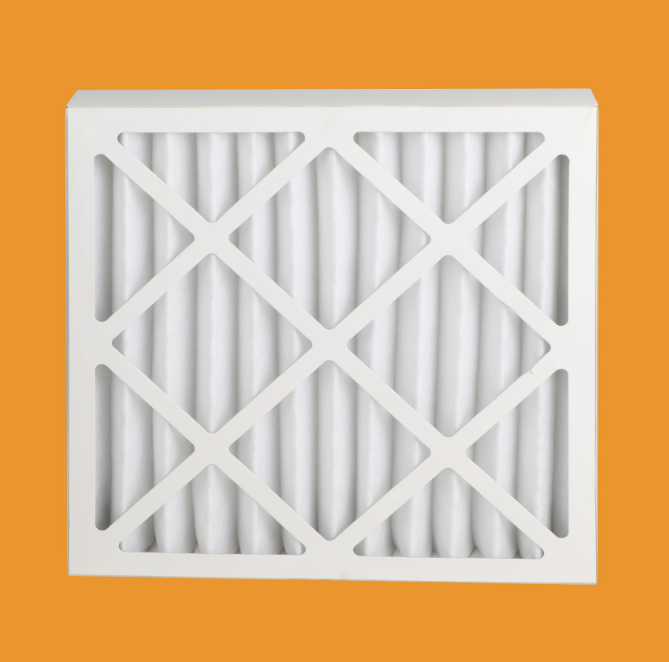
What a pre filter actually does for your system
Think of a pre filter as the first line of defense for your dust collection setup. Instead of forcing your expensive main air filter to deal with every single speck of dirt that enters the system, a pre filter grabs the big stuff first. The larger particles, chunks, fibers, and debris get stopped early. This leaves only the finer dust for the main filter to handle. The logic is simple. When the main filter has to deal with less material, it clogs more slowly and lasts significantly longer. A cyclone style pre separator can remove up to 95 percent of incoming dust before it ever reaches the main filtration stage. That means the main air filter suddenly only has to worry about 5 percent of the original dust load. That is a game changer for anyone tired of swapping filters every few weeks.
Selecting the right type of pre filter
Not every pre filter works for every situation. The most common options include cyclone separators, baffle boxes, drop out chambers, and simple mesh screens. Cyclone separators use centrifugal force to spin dust out of the air stream, and they work great for medium to coarse dust. Baffle boxes use a series of plates to knock heavier particles out of the airflow, which works well for abrasive materials. For very fine or sticky dust, a simple mesh pre filter may not help much, and you might want to look at other solutions like a pre coat material. The key is matching the pre filter type to the specific dust your process generates. An abrasive grit from sandblasting behaves very differently from fluffy wood shavings or oily mist.
Where to install the pre filter in your system
Placement matters more than many people realize. The ideal position for a pre filter is as close to the dust source as possible. Some setups put a cyclone separator right at the collection hood before the ductwork even starts. Others install a pre filter chamber immediately before the main dust collector. The earlier you capture the bulk dust, the less material travels through your ducts, which also reduces wear on the piping itself. If you are working with a mobile dust collector, consider a pre separator that attaches directly to the inlet. Many portable units now offer cyclone pre separators that sit between the tool and the vacuum, catching the majority of debris before it fills up the main collection bin.
Maintenance routines that keep pre filters working
Installing a pre filter is only half the battle. You have to maintain it for it to keep doing its job. Cyclone separators need their collection bins emptied regularly. If the bin overfills, the cyclone loses efficiency and dust starts bypassing straight to the main air filter. Baffle boxes should be checked for buildup on the plates, which can reduce airflow over time. Mesh screens can get clogged with fibers or sticky residue and need cleaning or replacement. A good rule of thumb is to check whatever pre filter you use at the same interval you check your main filter. If you find the pre filter consistently overloaded or dirty, shorten the interval. The small effort of keeping the pre filter clean pays off many times over in main filter lifespan.
Understanding the cost savings
The financial argument for pre filtration is hard to ignore. Main air filters, especially high efficiency cartridge or bag filters, cost real money to replace. Every time you replace them, you also lose production time while the system is down. Pre filters are generally far cheaper to maintain or replace. A cyclone separator has no consumable filter element at all, just a collection bin to empty. When a pre filter extends main filter life by two, three, or even five times, the math works out quickly. Reduced maintenance labor, fewer replacement parts ordered, less shipping costs, and more uptime all contribute to a healthier bottom line.
Common mistakes to avoid
One mistake people make is choosing a pre filter that restricts airflow too much. If the pre filter creates excessive pressure drop, the whole system loses suction and performance suffers. Always check the pressure drop specifications before buying. Another mistake is forgetting about the pre filter entirely once it is installed. Out of sight, out of mind does not work here. An overloaded pre filter eventually stops doing anything useful and becomes just another obstruction in the system. Finally, some operators try to use a pre filter as a substitute for proper primary filtration. Remember, the pre filter handles bulk and coarse material. The main filter still needs to be rated for the fine dust your application produces.